
What I Learned Running an Indie Graphic Novel
Helping my son build his brand as a graphic novel author/illustrator
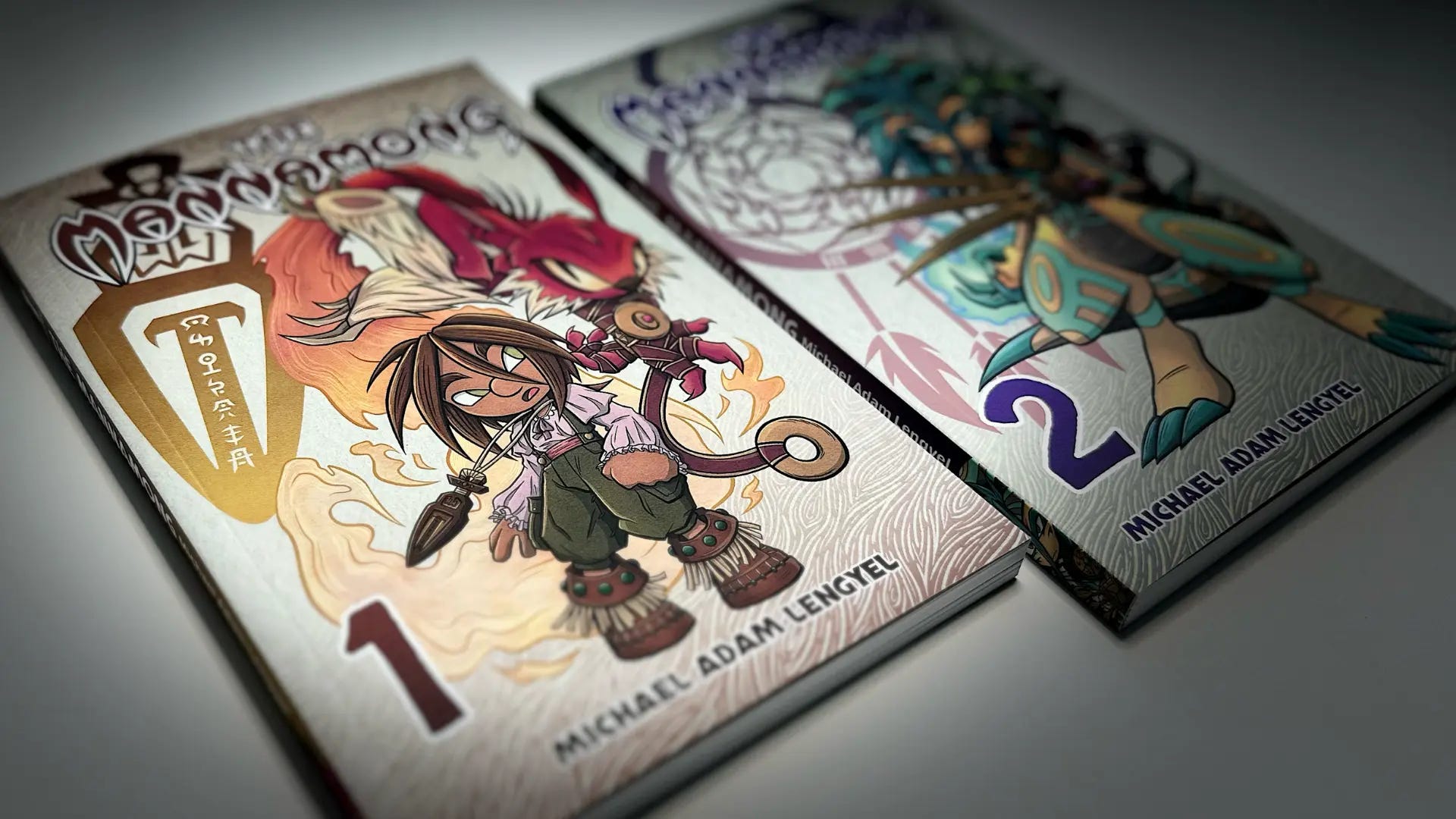
When Michael first imagined The Mannamong, he was twelve years old.
At that age, there was no thought of publishing, printing costs, marketing funnels, or algorithms. There was just a story that wouldn’t let go of him. A world forming in his sketchbooks. Characters that felt real. A sense, even then, that this was something he would carry for a long time. As his mother, I encouraged his love of story and listened for hours on end to his world-building.
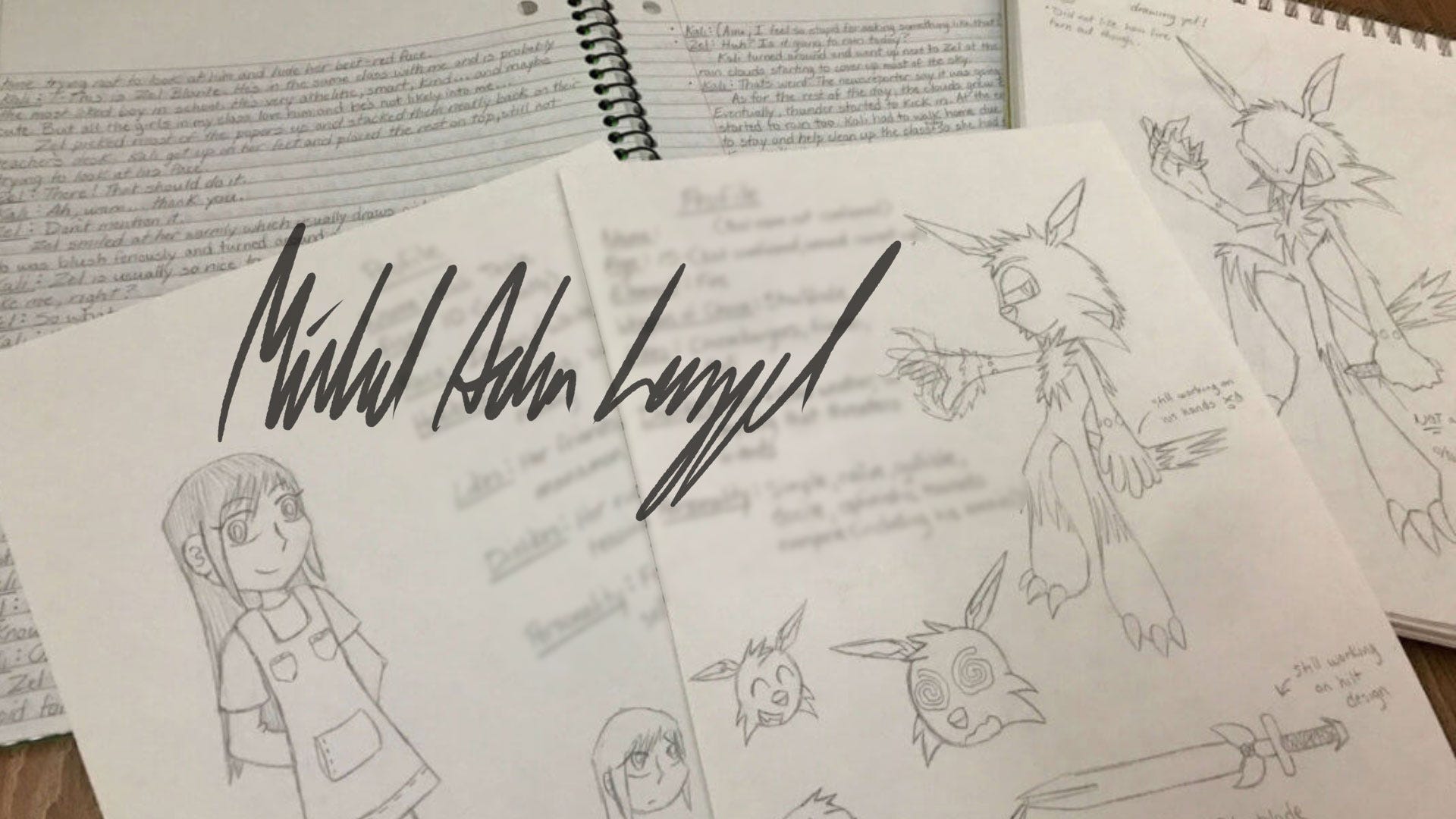
Like many creative ideas born young, The Mannamong didn’t arrive fully formed. It grew alongside him. By the time Michael was in college, he knew with certainty that this wasn’t just a childhood pastime. This was the story he wanted to tell. After graduating, he made a defining decision: instead of letting the idea stay “someday,” he began drawing and inking the story in earnest.
That choice, to commit after years of quiet incubation, marked the real journey's beginning. And running an indie graphic novel since then has taught us lessons no course, guide, or shortcut ever could.
1. A Long Creative History Is a Strength, Not a Liability
Starting a story young comes with its own challenges. You grow. Your skills change. Your perspective deepens. There’s always a temptation to scrap early ideas or feel embarrassed by how long something has taken.
But one of the most powerful lessons from running The Mannamong is this: time invested is not time wasted.
Because Michael lived in this world for so long before committing it to the final pages, the foundation was strong. The themes had been tested internally for years. The emotional core wasn’t rushed. The story matured because he did.
An indie graphic novel doesn’t need to be fast. It needs to be honest.
2. Making the Book Is Only Half the Work
When Michael began drawing and inking The Mannamong in full after college, the focus was on craft — story, pacing, character, and art. That part felt familiar. What came later was unexpected.
Once the book existed, the scope expanded dramatically. Suddenly, creating the story was only one piece of the puzzle. There were decisions about printing, distribution, websites, descriptions, emails, ads, fulfillment, and communication with readers.
Running an indie graphic novel means wearing every hat, and this is where I come in. My many years of building brands through graphic design, print production, and website design were the perfect fit for Michael’s vision for The Mannamong. Self-publishing a graphic novel is more than the story. You have to protect it, present it, and help it find its audience.
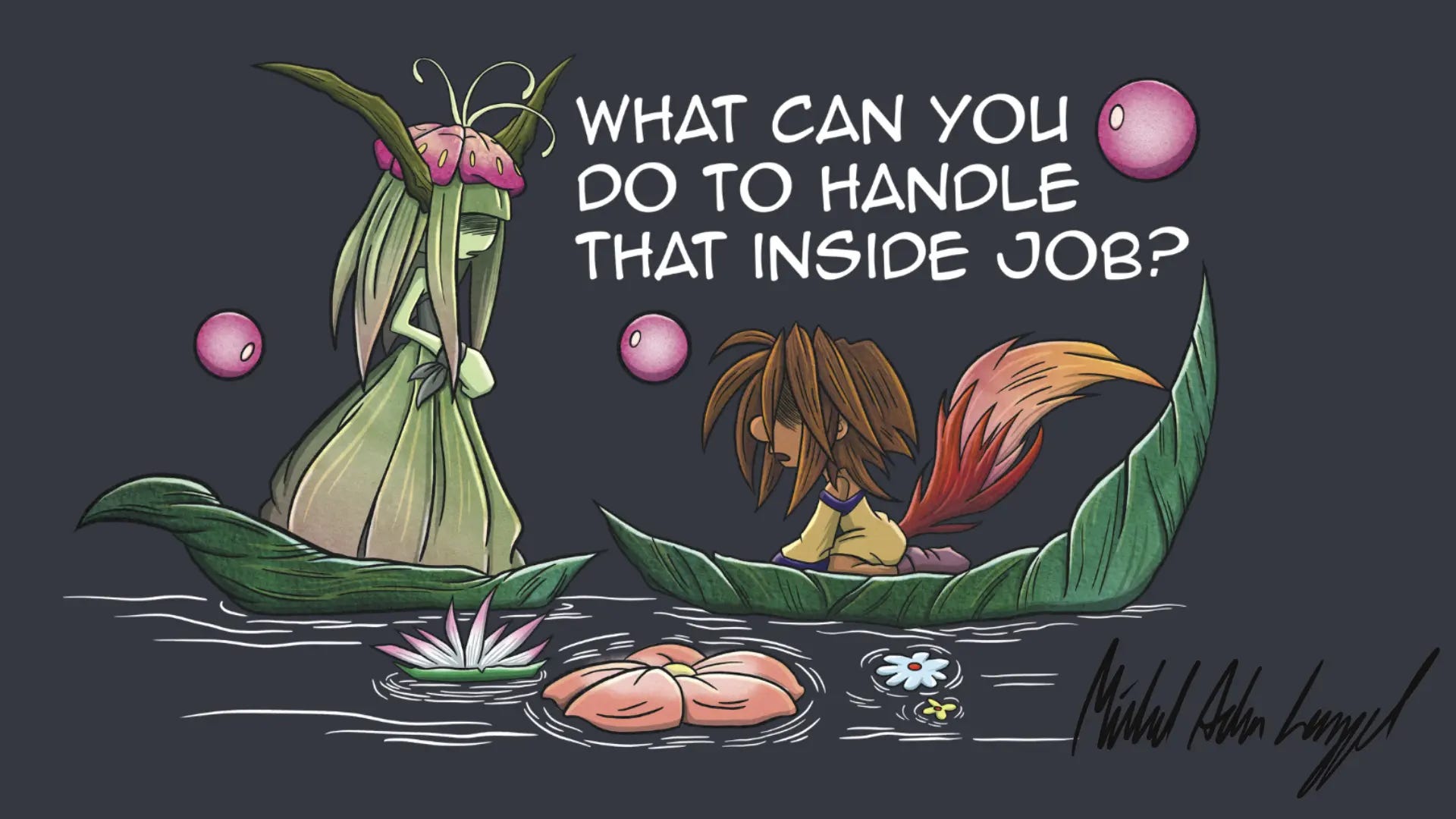
3. Progress Is Slower Than You Want (Even When You’re Committed)
One of the biggest surprises has been how slow meaningful progress can feel.
Michael didn’t start this story on a whim. He carried it from childhood, confirmed it in college, and committed fully after graduation. Even with that level of clarity, growth didn’t suddenly accelerate.
Books take time.
Art skills improve.
Story changes.
Audiences take time.
Running The Mannamong taught us that consistency matters far more than urgency. The work compounds quietly. If he rushed the story, it wouldn’t have evolved. Most days don’t feel dramatic—but over the years, they add up.
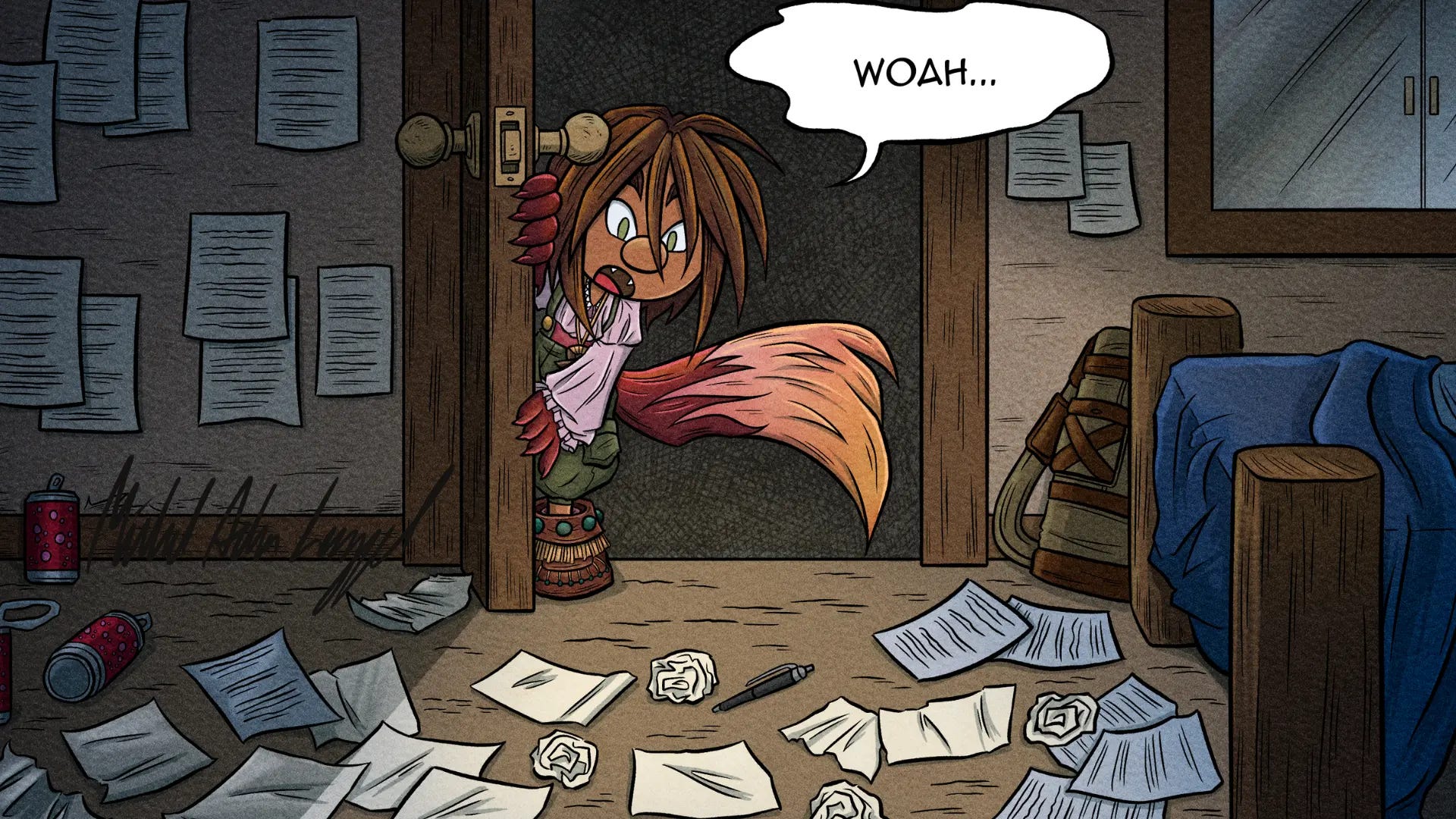
Creative Work Is Cyclical — Just Like Story
Every great story goes through arcs:
Beginnings → Uncertainty → Conflict → Revelation → Transformation.
Every great creator goes through the same:Inspiration → Doubt → Struggle → Breakthrough → Integration.
4. Doubt Doesn’t Mean You’re on the Wrong Path
When you carry a story for decades, doubt takes on a different shape.
You question whether you’re honoring the younger version of yourself who dreamed it up. You wonder if the story still deserves the time you’re giving it. You worry about whether it will ever reach the people it’s meant for.
Running an indie graphic novel taught us that doubt isn’t a signal to stop — it’s a signal that the work matters. Michael didn’t stay with The Mannamong from age twelve because it was easy. He stayed because it kept asking something of him.
Learning to continue in the face of doubt has been essential.
5. Independence Means Protection and Responsibility
One reason Michael chose the indie path was control.
Because this story has such deep personal roots, protecting its heart matters. Independence allows that. The pacing, the tone, the way the world is revealed—all of it stays aligned with the original intention.
But independence also means carrying the weight alone. There’s no safety net. No guaranteed exposure. No one else to absorb the risk.
Running The Mannamong has shown us that independence isn’t freedom without cost — it’s freedom with accountability.
6. Worldbuilding Requires Patience
A world that began in childhood doesn’t unfold all at once.
One of the hardest lessons has been learning what not to share yet. When you’ve lived inside a story for so long, it’s tempting to reveal everything immediately. But strong worlds need room to breathe.
Running an indie graphic novel taught us to think long-term. To respect pacing. To trust that some things are better revealed slowly, book by book, reader by reader.
7. The Right Readers Matter More Than Big Numbers
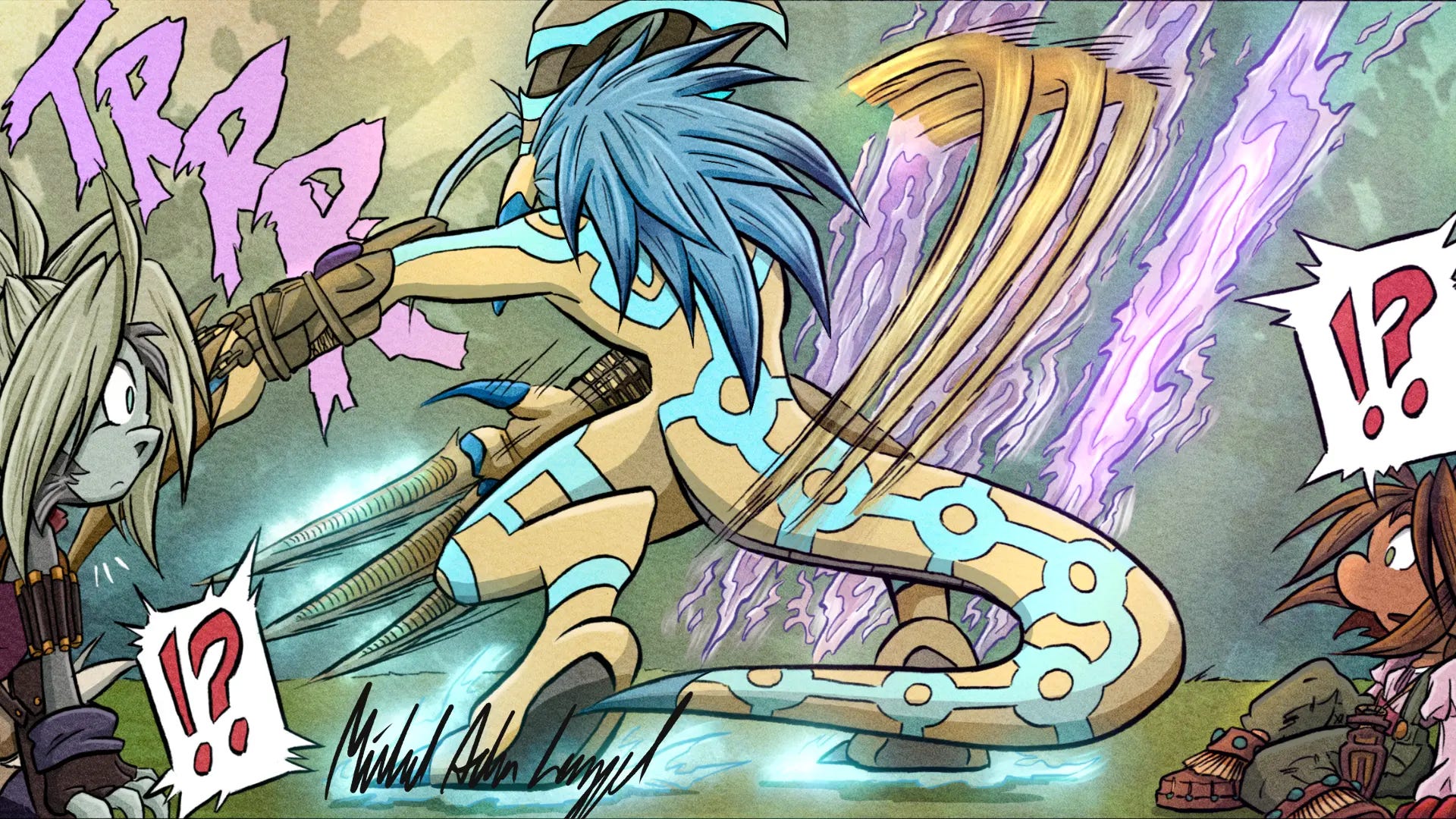
When The Mannamong reaches a reader, especially a child who connects with its sense of hope — that moment carries enormous weight.
Running an indie graphic novel reframes success. It’s not just sales or followers. It’s knowing that a story that began with a twelve-year-old’s imagination is now meeting readers where they are.
That continuity from childhood creation to real-world impact is something no metric can fully measure.
8. This Is a Lifelong Project, Not a Launch
Perhaps the most important lesson of all is this:
The Mannamong isn’t a single book. It’s not even a single phase of life. It’s a story that grew with Michael — from age twelve, through college clarity, into adult commitment, and continues to evolve.
Running an indie graphic novel isn’t about “making it.” It’s about staying true to the work over time, showing up, and honoring the story’s origins while letting it grow.
And if there’s one thing this journey has proven, it’s that stories born early and nurtured patiently can become something deeply meaningful.
Not overnight.
Not easily.
But honestly.
And sometimes, that’s the most powerful way a story can exist.